



Every year, when the monsoon winds begin to settle over Kerala, something magical stirs in the air. Streets fill with the fragrance of fresh flowers. Homes light up. Families gather. And somewhere in the heart of it all a king returns.
This is Onam. And if you think it's just a harvest festival with a big feast and boat races, you're only seeing the surface. Go a little deeper, and you'll find something truly extraordinary: a story about power, humility, devotion, and the kind of love a ruler has for his people that defies even death.
Let's walk through everything about Onam: its story, its history, its spiritual depth, and what it really means for all of us.
What Is Onam?

Onam is the biggest and most beloved festival of Kerala officially recognised as the state festival. It falls in the Malayalam month of Chingam (which is August-September in the regular calendar) and lasts for ten glorious days, culminating on the grand day called Thiruvonam.
It is a harvest festival. It marks the Malayalam New Year. It is a cultural celebration. And most importantly it is a spiritual event that carries one of the most profound messages in all of Hindu mythology.
People across Kerala, and Malayalis living all over the world, celebrate Onam with equal enthusiasm. It brings together people of all communities, faiths, and backgrounds. And that, in itself, says a lot about what Onam truly stands for.
The Story of King Mahabali: The Heart of Onam

To understand Onam, you have to know the story of King Mahabali, also lovingly called "Maveli."
Long, long ago, Kerala was ruled by a king named Mahabali. He was an Asura (a demon king by lineage), but he was nothing like what you'd imagine a demon king to be. He was just, generous, and deeply devoted to his people. Under his rule, there was no poverty, no inequality, no dishonesty. Every person rich or poor was treated the same. Every home was filled with joy. Every day felt like a celebration.
People loved him unconditionally. And Mahabali loved them back.
But here's where the story takes a turn.
The gods in heaven grew concerned. Mahabali's power and popularity were growing beyond all boundaries. Sensing a threat to the cosmic balance, they approached Lord Vishnu for help.
Vishnu, ever the protector of Dharma, devised a plan. He took the avatar of Vamana, a small, humble, young dwarf Brahmin and went to Mahabali's court, where a great sacrificial ceremony (Viswajith Yagna) was taking place.
Mahabali, known for his generosity, was granting wishes to anyone who came to him that day. When the tiny Brahmin appeared, Mahabali welcomed him warmly and asked, "What do you wish for?"
Vamana replied simply: "I only ask for three paces of land."
Mahabali's advisor warned him that this was no ordinary Brahmin. But Mahabali's pride in his generosity took over. He smiled and said, "Ask, and it shall be yours."
And then Vamana began to grow.
He grew and grew until he filled the entire universe. With his first step, he covered the entire earth. With his second step, he covered the sky and the heavens. There was nowhere left for the third step to land.
Vamana looked at Mahabali and asked, "Where shall I place my third foot?"
Mahabali paused for a moment. He had lost everything: his kingdom, his power, his universe. But his character didn't waver. With complete calm and surrender, he bent his head and said:
"Place it on my head."
That single act, that moment of pure humility and surrender is what Onam is really about.
Vishnu, moved by Mahabali's devotion and selflessness, granted him a boon. Mahabali asked for only one thing: "Let me come back once a year to see my people and the land I love."
Vishnu agreed. And so, every year during Onam, King Mahabali returns to Kerala to visit his beloved people. And the people of Kerala with flowers, feasts, lights, and laughter welcome him home.
The Ancient History of Onam

Onam is not a recent festival. It has ancient roots going back thousands of years.
The earliest known written reference to Onam is found in Maturaikkanci, a Tamil poem from the Sangam era, dating back to around the 3rd century CE. It describes a celebration dedicated to Mayon (Vishnu) in Madurai, the early form of what we know as Onam today.
The great 8th-century Alvar saint Nammalvar also referenced the legend of Mahabali and Vamana in his writings. By the 9th century, texts by Periyalvar were describing Onam as a time of offerings to Vishnu, community gatherings, and grand feasts.
A 11th-century inscription at the Thrikkakara Temple in Kerala formally describes Onam as a festival dedicated to Vamana. And a 16th-century European memoir even mentions how people in Kerala celebrate a grand September festival, decorating homes with flowers and observing it with deep reverence.
In 1961, under Chief Minister Pattom Thanu Pillai, Onam was officially declared the national festival of Kerala cementing its place as the most important cultural and spiritual event of the state.
So when you celebrate Onam today, you are participating in a tradition that is at least 1,700 years old.
The Ten Days of Onam: What Happens Each Day

Onam is not just one day, it's a ten-day journey of devotion, creativity, and community. Here's a simple overview:
Day 1 - Atham: The festival begins. The first layer of the Pookalam (floral carpet) is laid outside homes, typically using yellow flowers in a simple circular pattern.
Days 2-9: Each day, a new layer is added to the Pookalam. The design grows more elaborate and colourful with each passing day. Cultural events, games, and performances begin to pick up energy.
Day 10 - Thiruvonam: The grand finale. The Pookalam is at its most beautiful. The Onasadya feast is prepared and shared. This is the day Mahabali is believed to visit. Families come together, prayers are offered, and the entire state vibrates with joy.
The Rituals and Traditions: What Makes Onam So Special

🌸 Pookalam - The Floral Carpet
Every morning during Onam, women and girls gather to create intricate floral carpets at the entrance of their homes. This is the Pookalam and it is one of the most beautiful traditions in all of Indian festival culture. It is an offering. A welcome. A visual prayer saying, "King Mahabali, your people await you."
The Onathappan, a small clay idol representing both King Mahabali and Vamana is placed at the centre of the Pookalam. It is the spiritual heart of the entire decoration.
🍽️ Onasadya - The Sacred Feast
If Onam had a soul, it would taste like an Onasadya.
This is the grand vegetarian feast served on Thiruvonam, laid out on a fresh banana leaf. It can include anywhere from 11 to 26+ dishes: rice, sambar, rasam, avial, thoran, olan, pachadi, pickles, papadams, and the famous Payasam (a sweet milk dessert) at the end. Everything is served in a specific order, and eaten together as one big family.
The Onasadya is not just food, it is a symbol of equality. Everyone sits on the floor, eats the same meal from the same banana leaf. Rich and poor, young and old all equal at the table. Just as Mahabali intended.
🚣 Vallam Kali - The Snake Boat Race
One of the most breathtaking spectacles of Onam is the Vallam Kali, the traditional snake boat race held on Kerala's backwaters. Long, narrow boats carrying 100+ rowers glide through the water in perfect rhythm, while thousands cheer from the banks. It is energy, teamwork, and joy in its purest form.
🐯 Pulikali - The Tiger Dance
On the seventh day, performers paint their entire bodies to look like tigers and leopards and dance through the streets. This Pulikali is wild, colourful, and absolutely unforgettable.
💃 Thiruvathirakali - The Women's Dance
Women dressed in white and gold Kerala sarees perform graceful, rhythmic group dances. It is elegance, tradition, and devotion woven together in movement.
The Spiritual Meaning That Most People Miss
Here's what makes Onam truly profound.
Mahabali was powerful. He had conquered the three worlds. He had everything. And yet when Vishnu placed His foot on his head and pushed him down Mahabali did not resist. He surrendered. Completely. Willingly. With peace.
This is the deepest spiritual teaching of Onam.
The festival is not just about a king visiting his kingdom once a year. It is a reminder that true greatness is not measured by power it is measured by the ability to let go. Mahabali's ego was not wounded by losing his kingdom. His spirit was not broken. Because he had already understood something most of us spend our whole lives trying to learn that surrender to the divine is not defeat. It is liberation.
As Sri Sathya Sai Baba once beautifully explained, Vishnu did not send Mahabali down to destroy him. He sent him down to free him to release him from the cycle of birth and death. That foot on his head was not a punishment. It was a blessing in disguise.
Onam, at its core, is a celebration of humility over ego, of love over power, and of devotion over ambition.
It is also a festival that teaches us about gratitude. The people of Kerala do not mourn what Mahabali lost, they celebrate what he gave. Every flower in the Pookalam, every dish in the Sadya, every stroke of the oar in the boat race, it is all an offering of love to a king who loved them first.
A Thoughtful Gift for Onam: Something That Carries Meaning

If you're thinking about what to give your loved ones this Onam whether for an Onam Sadhya gathering or as part of an Onam hamper consider giving something that carries spiritual significance beyond its physical beauty.
Rudraksha jewellery has been revered in Indian spiritual tradition for centuries. The Rudraksha bead is believed to carry the energy of Lord Shiva, promote inner calm, protect from negativity, and support the wearer's well-being on a deeper level. Gifting a piece of Rudraksha jewellery during Onam is a way of saying: "May this festival bring you not just celebration, but genuine peace and protection throughout the year." It combines the festive spirit of Onam with the timeless intention of spiritual well-being which is exactly what meaningful gifting is about.
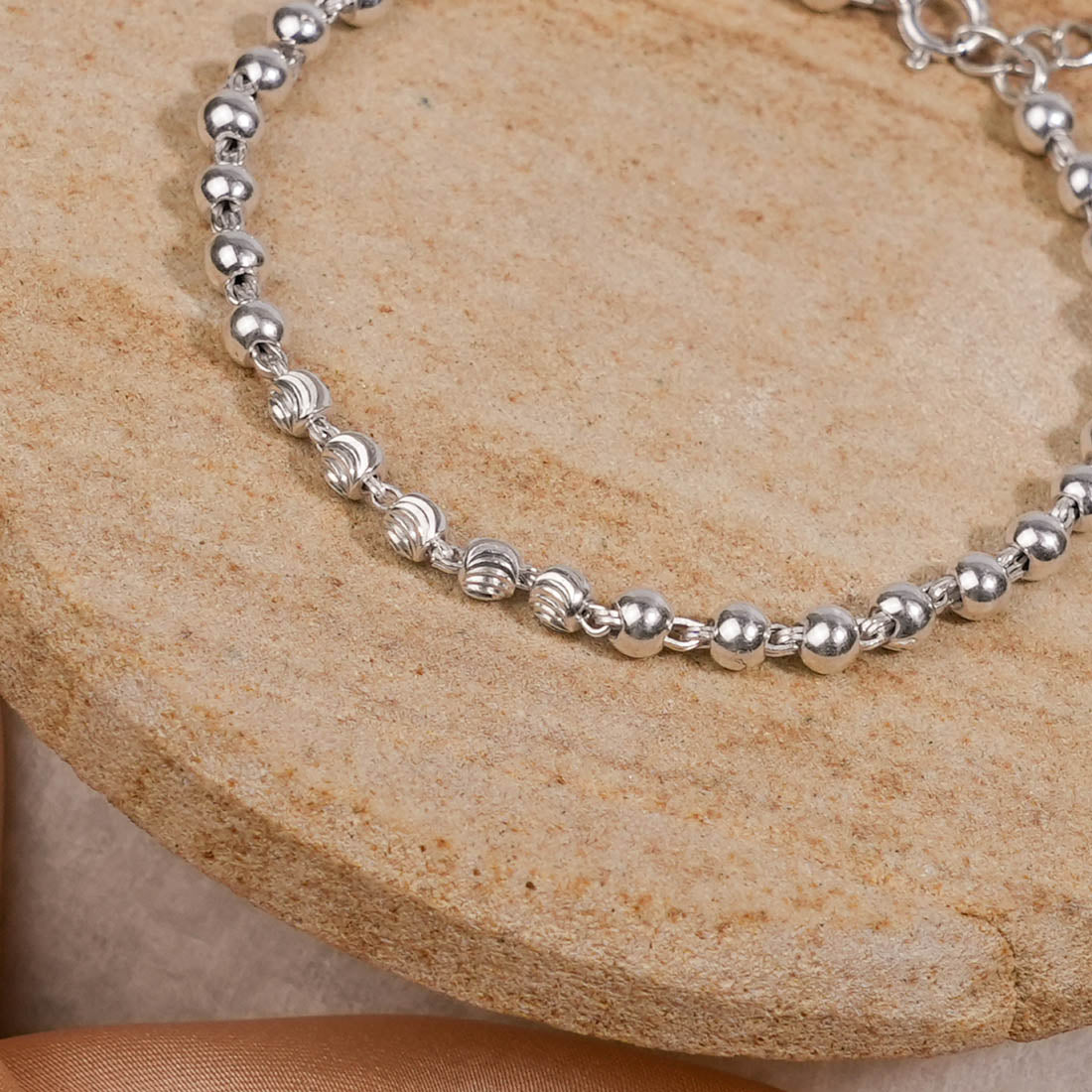
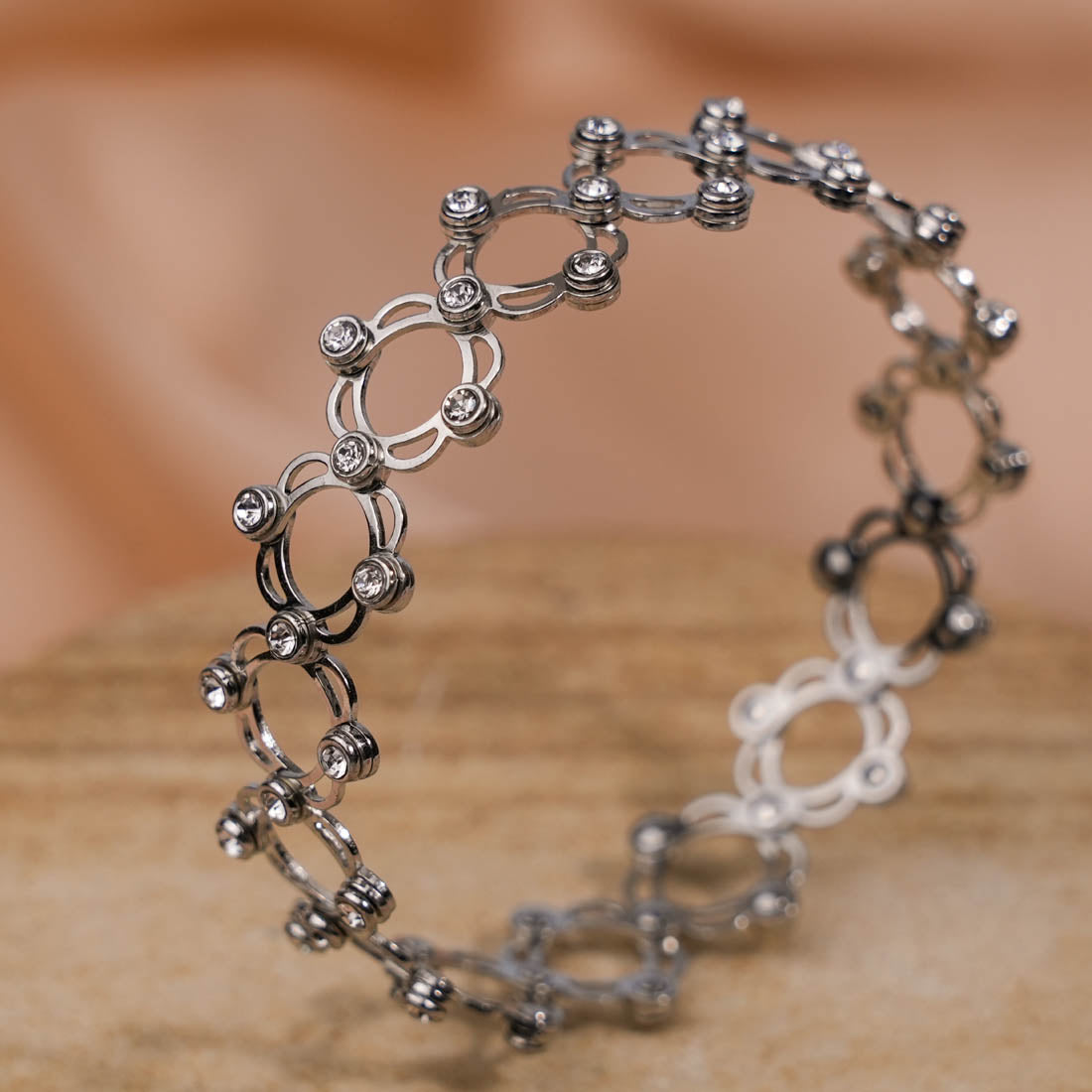
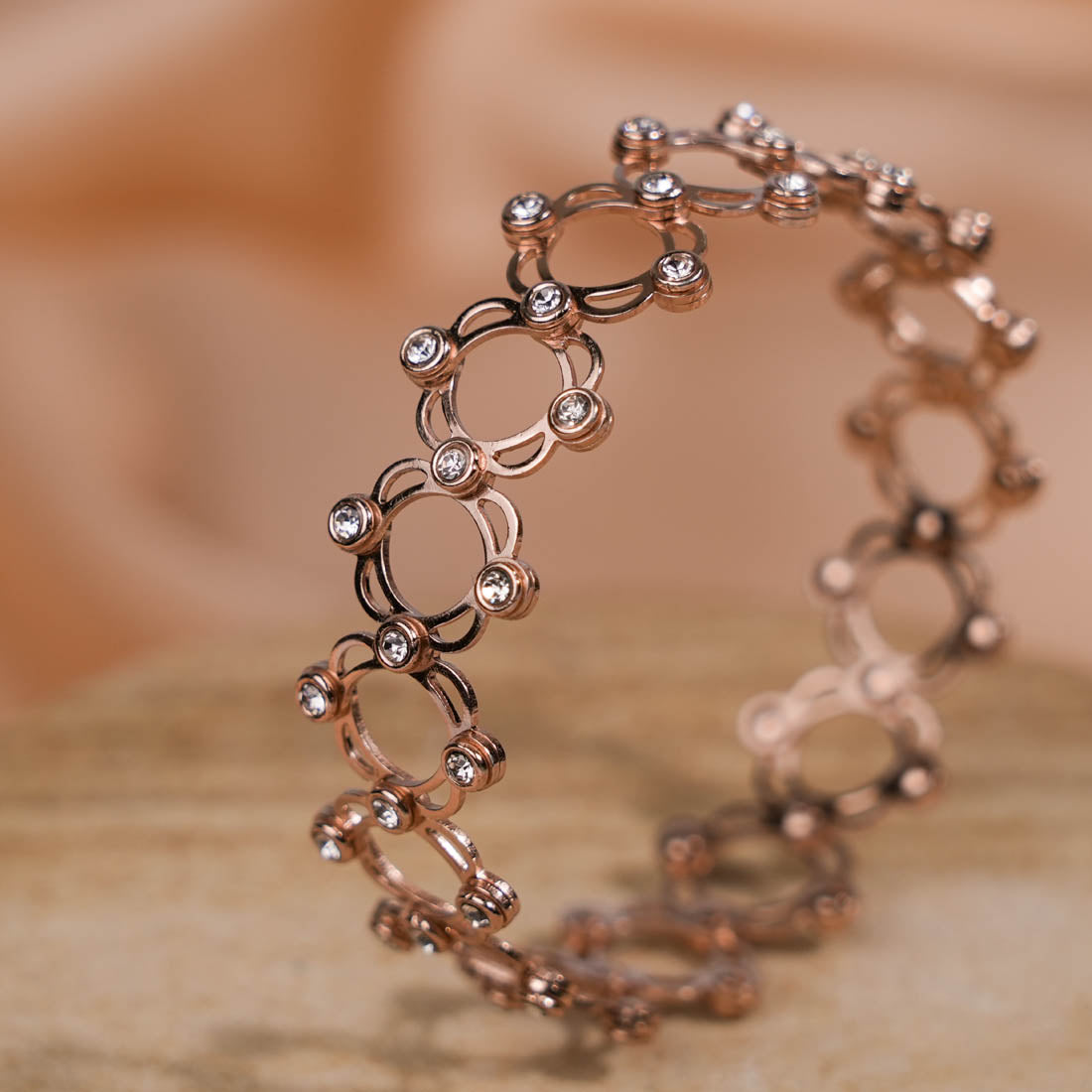
At Prinjal, we craft 92.5 silver and Rudraksha jewellery with care and devotion designed for the modern soul that still holds sacred traditions close.
Onam Ashamsakal. Happy Onam. 🌸

