



There are goddesses who are worshipped in grand marble halls, and there are goddesses who are worshipped under a tree, in the corner of a courtyard, with nothing more than an earthen pot and a handful of flowers. Maa Manasa Devi belongs to the second kind and perhaps that is exactly why her devotion feels so personal, so close to the soil and to everyday fear. She is the goddess mothers turn to before their children step out during the monsoon, the goddess farmers remember when they walk through tall grass, the goddess whose name is whispered quietly whenever a snake crosses someone's path.
This blog looks at who Maa Manasa Devi is, the stories that shaped her worship, why she continues to matter today, and the temples where her presence is still deeply felt.
Who is Maa Manasa Devi?

Manasa is a Hindu goddess of snakes, worshipped chiefly for protection from snakebite, though her blessings are also sought for fertility and prosperity. In Hindu texts, she is described as the daughter of sage Kashyapa, sister of Vasuki, the king of the serpents, and wife of sage Jaratkaru, and she is also the mother of the sage Astika.
Her name itself carries meaning. It comes from the Sanskrit word manas, meaning mind and in many traditions she is described as having been born from the mind or will of Lord Shiva, which is why she is sometimes called his Manas Putri, or mind-born daughter.
Devotees often picture her seated gracefully on a lotus or a swan, her form radiant, with cobra hoods rising protectively above her head as a symbol of her command over serpents. In some depictions, she carries a pot symbolising abundance in one hand and a snake symbolising protection in another a reminder that she holds the power to give and the power to guard in the same gesture.
The Story Behind Her Worship

Manasa's story is not one of easy acceptance. According to popular legend, she struggled for recognition among the gods. She was denied full godhood by several deities, including, in some tellings, Kartikeya, and even faced rejection within her own household. Yet she did not retreat from her purpose; she persisted until her divinity could no longer be denied.
The most widely told tale connected to her is the story of Chand Saudagar, a wealthy and devout worshipper of Shiva who refused to bow before Manasa. To make him acknowledge her, Manasa tested him repeatedly, including through the death of his son Lokhindor, until the merchant finally offered his worship to her. Interwoven with this tale is the devotion of Behula, Lokhindor's wife, whose unwavering faith and courage eventually restored her husband's life, a story still remembered as one of the greatest examples of devotion in Bengali folklore.
Another cherished belief ties her origin to the churning of the ocean, Samudra Manthan. When a deadly poison rose from the depths and Lord Shiva consumed it to protect the universe, it is said that Manasa emerged from that same divine energy forever linking her to the power to both hold poison and heal from it.
These stories, though centuries old, still carry a simple lesson: recognition is rarely handed over easily, and unwavering faith like Behula's has the power to overturn even death.
Why Maa Manasa Devi Still Matters Today

Manasa's relevance has never really faded, especially in regions where the monsoon brings both life and risk. During Shravan and Bhadra, when rain and flooding make snakes more active and the risk of snakebite rises, devotees turn to her for protection, offering milk, fruits, flowers, and sweets to her idols and reciting mantras to invoke her care. Many observe fasts during this period, especially women praying for the safety and well-being of their families.
Her worship is especially strong in Bihar, Odisha, Bengal, Andhra Pradesh, Chhattisgarh, Jharkhand, Uttarakhand, Uttar Pradesh, Haryana, Punjab, Rajasthan, and Assam, as well as other parts of northeastern India, though her presence is felt, in some form, across the country. In many homes, she does not even need an elaborate idol, a branch of a cactus tree, an earthen pot, or an earthen snake image is enough to represent her, worshipped as a household deity alongside Lord Vishnu.
Beyond protection from snakebite, she is also invoked for fertility, prosperity, and healing, a goddess who transforms fear into faith, and faith into courage.
Temples of Maa Manasa Devi

While Manasa's shrines are often modest and rooted in local tradition, some of her temples have grown into major pilgrimage sites.
Mansa Devi Temple, Haridwar is among the most visited. Located atop Bilwa Parvat on the Sivalik Hills, it is one of the Panch Tirth, the five sacred pilgrimages of Haridwar, and is considered a Siddh Peeth believed to fulfil the sincere wishes of devotees. Devotees tie threads to a tree within the temple to mark a wish, returning later to untie it once that wish is fulfilled.
Mata Mansa Devi Temple, Panchkula (Haryana) is equally revered, and is believed to be one of the Shakti Peethas, sacred sites said to mark where parts of Goddess Sati's body fell after her dismemberment. Built in the early 19th century by Maharaja Gopal Singh, the temple complex today spans around 100 acres at the foothills of the Shivalik range. It comes alive twice a year during Chaitra and Sharad Navratri, when the atmosphere fills with chants, devotional songs, and grand fairs.
Beyond these two, smaller yet deeply cherished Manasa temples exist across Bengal, Assam, Odisha, and other states, each shaped by local custom, folklore, and the rhythm of the land they stand on.
Frequently Asked Questions
1. Who is Maa Manasa Devi?
She is the Hindu goddess of snakes, worshipped for protection from snakebite as well as for fertility and prosperity, closely associated with Lord Shiva and the Naga king Vasuki.
2. Why is Manasa Devi worshipped mainly during the monsoon?
Because snakes become more active during the rains, increasing the risk of snakebite, devotees turn to her during Shravan and Bhadra for protection and safety.
3. What is the significance of the Chand Saudagar and Behula story?
It illustrates the power of unwavering devotion Behula's faith and determination ultimately restored her husband's life, and the tale remains central to Manasa's worship in Bengal.
4. Where are the most famous Manasa Devi temples located?
Two of the most prominent are the Mansa Devi Temple in Haridwar, Uttarakhand, and the Mata Mansa Devi Temple in Panchkula, Haryana, alongside numerous smaller shrines across eastern India.
Carrying Her Protection With You - Prinjal Spiritual Jewelry

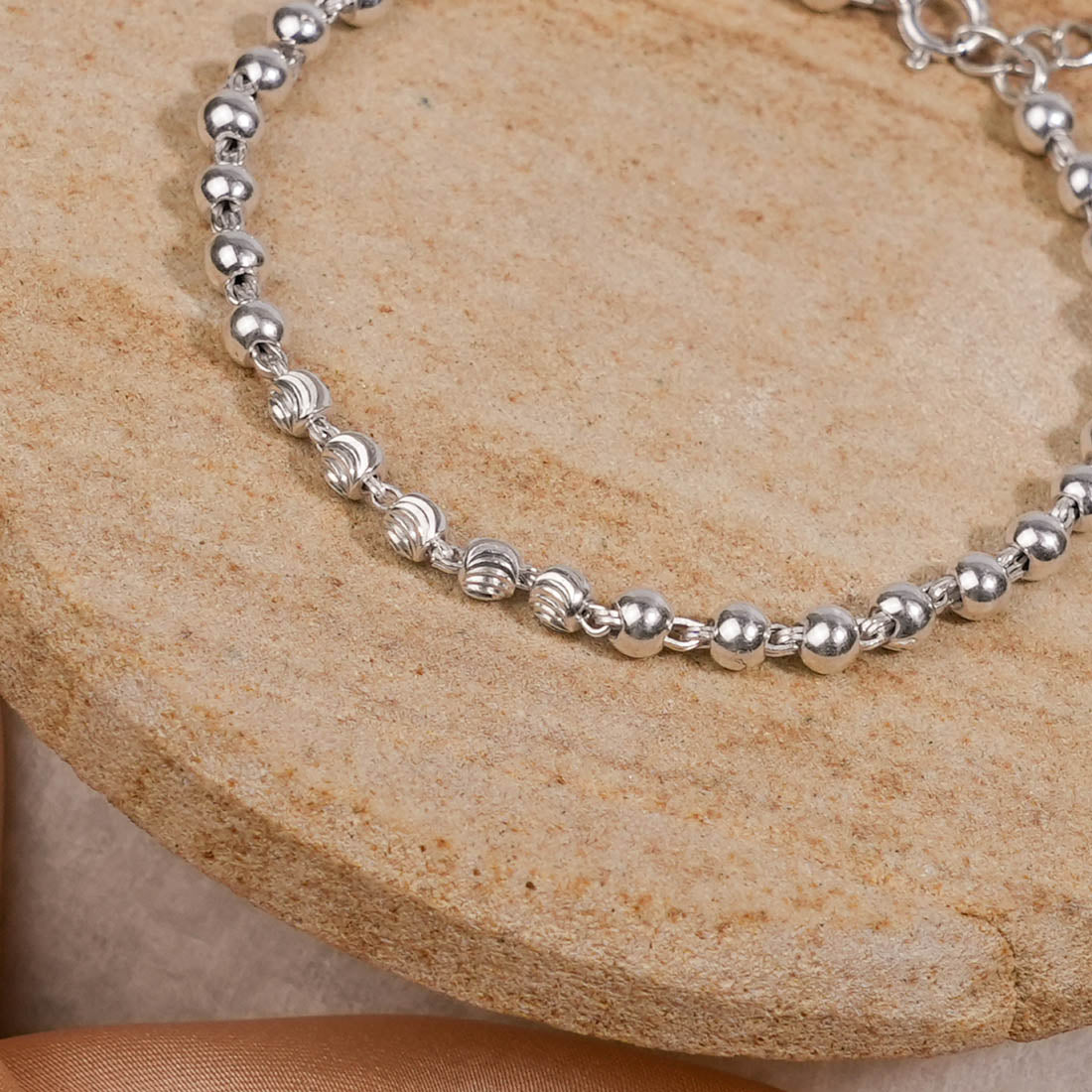
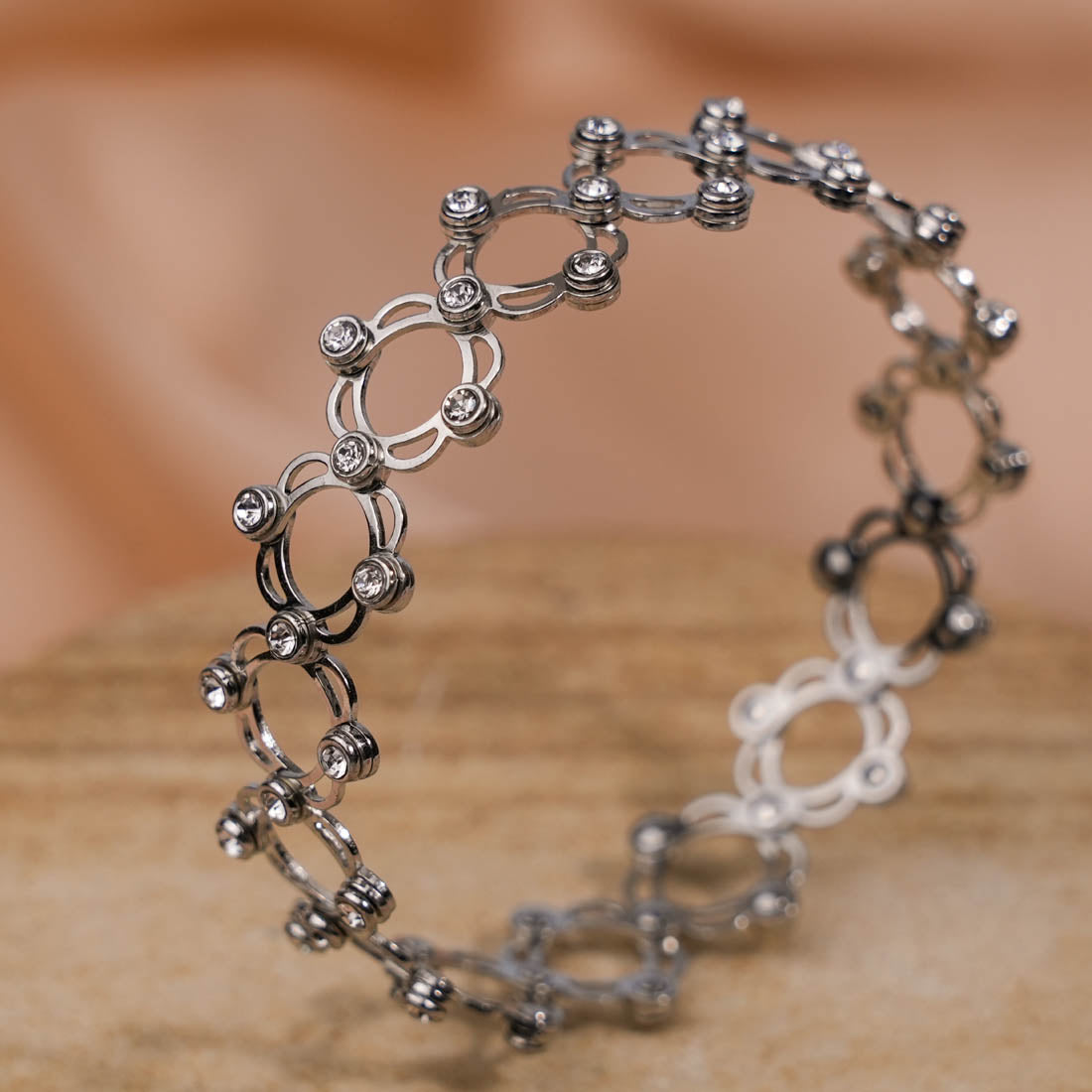
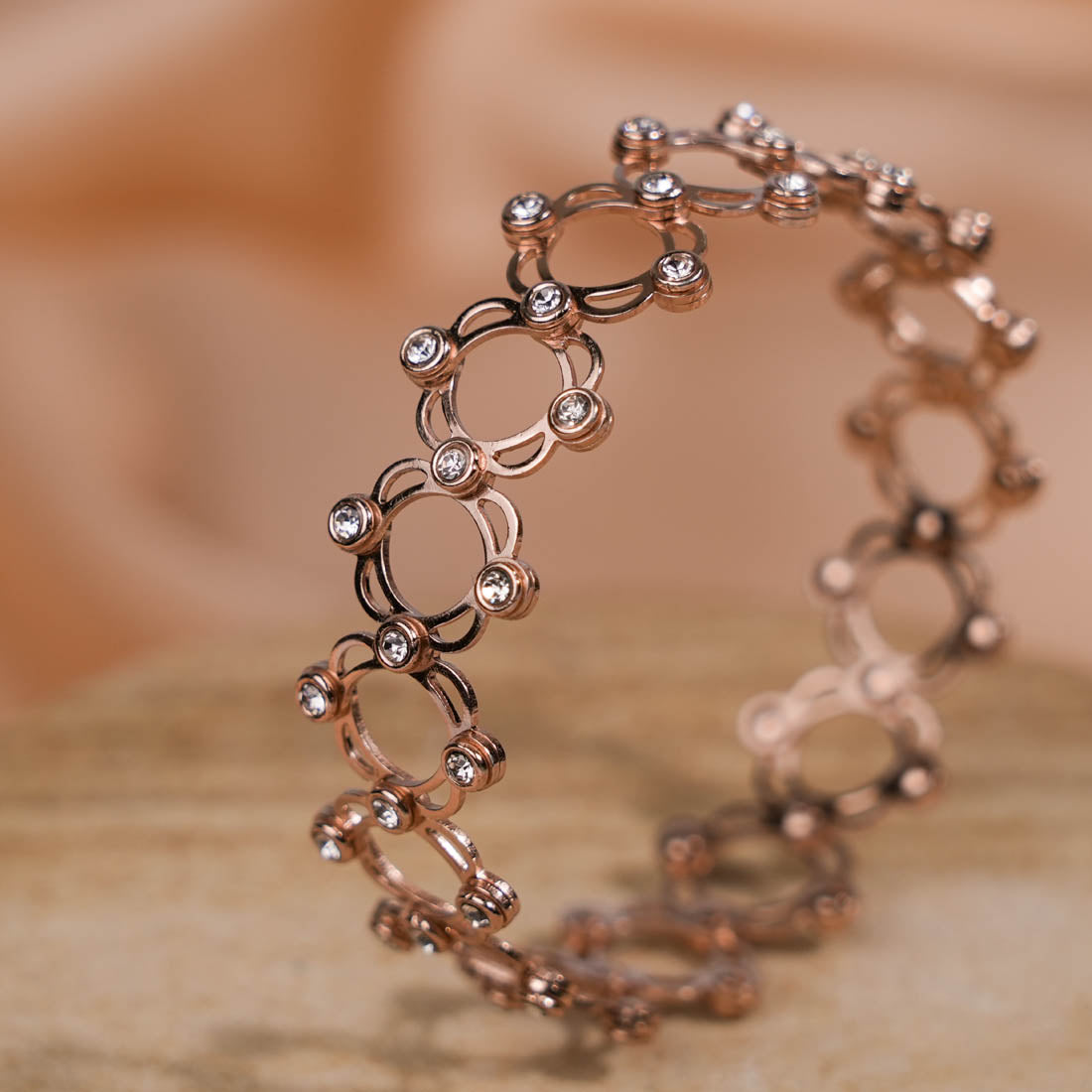
Just as a mother watches over her child even when she isn't in the room, Maa Manasa Devi's protection has always been something devotees carry with them in a thread tied to a tree, in a mantra whispered before stepping outside, in a quiet prayer during the rains. At Prinjal, we believe that the same sense of protection can live in what you wear every day. Our collection of 92.5 sterling silver and Rudraksha jewelry is crafted to be more than adornment; it is a daily reminder of divine energy, a small anchor of faith you can carry through ordinary moments and uncertain ones alike. Much like Manasa Devi transforms fear into courage for her devotees, we hope our pieces remind you that you are never walking without protection. Explore our Rudraksha and silver pieces at prinjal and carry a little bit of the divine with you, every single day.

