



There's something very simple yet very powerful about Raksha Bandhan. It's not a festival that needs grand explanations most of us grew up watching our mothers tie rakhi on our mama's wrist, or tying one ourselves on our brother's hand every August. But if you sit and think about it for a moment, this small thread carries a very big meaning. It's a promise. A promise of love, protection, and a bond that doesn't really need words.
In this blog, we'll walk you through everything about Raksha Bandhan 2026 the exact date, the story behind it, why it actually matters even today, and how different families across India celebrate it. No complicated language, no confusion just simple, clear, and honest information so you walk away knowing everything you need to know.
When is Raksha Bandhan 2026?

Raksha Bandhan 2026 will be celebrated on Friday, 28th August 2026.
This festival is always celebrated on Shravan Purnima, which is the full moon day of the Hindu month of Shravan. Since it follows the lunar calendar and not the regular English calendar, the date keeps shifting every year. That's the reason Raksha Bandhan was on a different date in 2025 and will fall on a different date again next year.
A small but important point many families wait for the Bhadra Kaal to get over before tying the rakhi. Bhadra is considered an inauspicious period in Hindu tradition, and tying rakhi during this time is usually avoided. In 2026, the good news is that Bhadra ends before sunrise itself, so the morning hours on 28th August are considered pure and auspicious right from the start. If you want the exact muhurat timing for your city, it's always best to check your local Panchang, since timings can shift slightly depending on where you live.
The History Behind Raksha Bandhan

Raksha Bandhan isn't a new-age festival. Its roots go back centuries, and there are several stories connected to it each one beautiful in its own way.
One of the most well-known stories is of Goddess Lakshmi and King Bali. According to the legend, Goddess Lakshmi tied a sacred thread around King Bali's wrist to protect Lord Vishnu and bring him back home. This is where the rakhi got its deeper meaning it became known as the "Raksha Sutra," a thread that isn't just decorative but carries real protective power.
Another story that's often told is of Yama, the god of death, and his sister Yamuna. It's said that Yamuna used to tie a rakhi on Yama's wrist every year, and he was so moved by her love that he declared anyone who receives a rakhi from their sister becomes blessed with long life. This is also one of the reasons sisters pray for their brother's long and healthy life on this day.
There's also a historical reference connected to Rani Karnavati and Emperor Humayun, where she is said to have sent a rakhi asking for protection, and he respected that bond. While historians debate the exact authenticity of this event, it shows how deeply rooted the idea of "rakhi as protection" has been in Indian culture, not just within families but even beyond.
So when you tie a rakhi today, you're actually continuing a tradition that has survived through mythology, history, and generations of families that's not a small thing.
Why Raksha Bandhan Still Matters Today

In today's fast life, where everyone is busy with work, studies, or just life in general, festivals like Raksha Bandhan give us a reason to pause. Honestly, that's the real significance of this day it's not about grand rituals, it's about taking a moment to say "I'm there for you."
For sisters, it's a day to express love and pray for their brother's wellbeing. For brothers, it's a day to promise protection and support, no matter what life brings. But it's not always literal "protection" anymore in most modern households, it has become a mutual promise of standing by each other, emotionally and practically.
What's beautiful is how this festival has also expanded beyond the traditional brother-sister definition. Many families now celebrate it between sisters, cousins, friends who feel like siblings, and even Lumba Rakhi, where sisters tie rakhi to their sister-in-law. At the core, it's simply a celebration of belonging knowing that someone has your back.
For people living away from family, in different cities or countries, Raksha Bandhan also becomes a way to stay connected to their roots. Sending a rakhi by post, or doing a video call ceremony, has become very common now, and honestly, distance really doesn't take away from the emotion behind it.
Rituals of Raksha Bandhan - Simple Steps Followed by Most Families

The rituals are simple, and most families across India follow more or less the same steps, even if small customs differ from region to region.
The day usually begins with the sister preparing a puja thali. This thali generally includes the rakhi, roli (vermilion), akshat (rice grains), a diya, and sweets. Some families also keep a coin or a small silver item on the thali, believing it brings prosperity.
The brother sits facing east or north, and the sister begins with an aarti, followed by applying a tilak on his forehead using the roli and rice mixture. This tilak is believed to awaken positive energy and protect him from any negativity or evil eye.
After this, the sister ties the rakhi on her brother's right wrist while praying for his health, happiness, and success. The brother then offers sweets to his sister, along with a gift, and promises to support and protect her throughout life. The day usually ends with a family meal, lots of sweets, and a lot of warmth.
Some families also follow small regional customs like sowing wheat in farming communities (known as Kajari Purnima), or coastal regions celebrating it as Narali Purnima, dedicated to the sea god Varuna. The beauty of Raksha Bandhan is that even with these regional differences, the core emotion remains exactly the same everywhere.
Celebrating Raksha Bandhan in 2026 - A Few Thoughtful Ideas

If you're thinking about how to make Raksha Bandhan 2026 a little more special this year, here are a few simple ideas that don't need to be expensive or extravagant, just thoughtful.
You could plan a small family gathering with everyone's favourite sweets, or if your sibling lives far away, a video call ceremony with the rakhi sent in advance can still make the day feel personal and emotional. Some families are also now choosing eco-friendly rakhis made from seeds, which can later be planted a small way of giving back while celebrating.
And of course, gifting plays a quiet but meaningful role in this celebration. It's not about the price of the gift, but the thought and the energy behind it. This is where a lot of people prefer giving something that lasts longer than sweets or flowers something that carries the same spirit of protection and blessing that Raksha Bandhan itself represents.
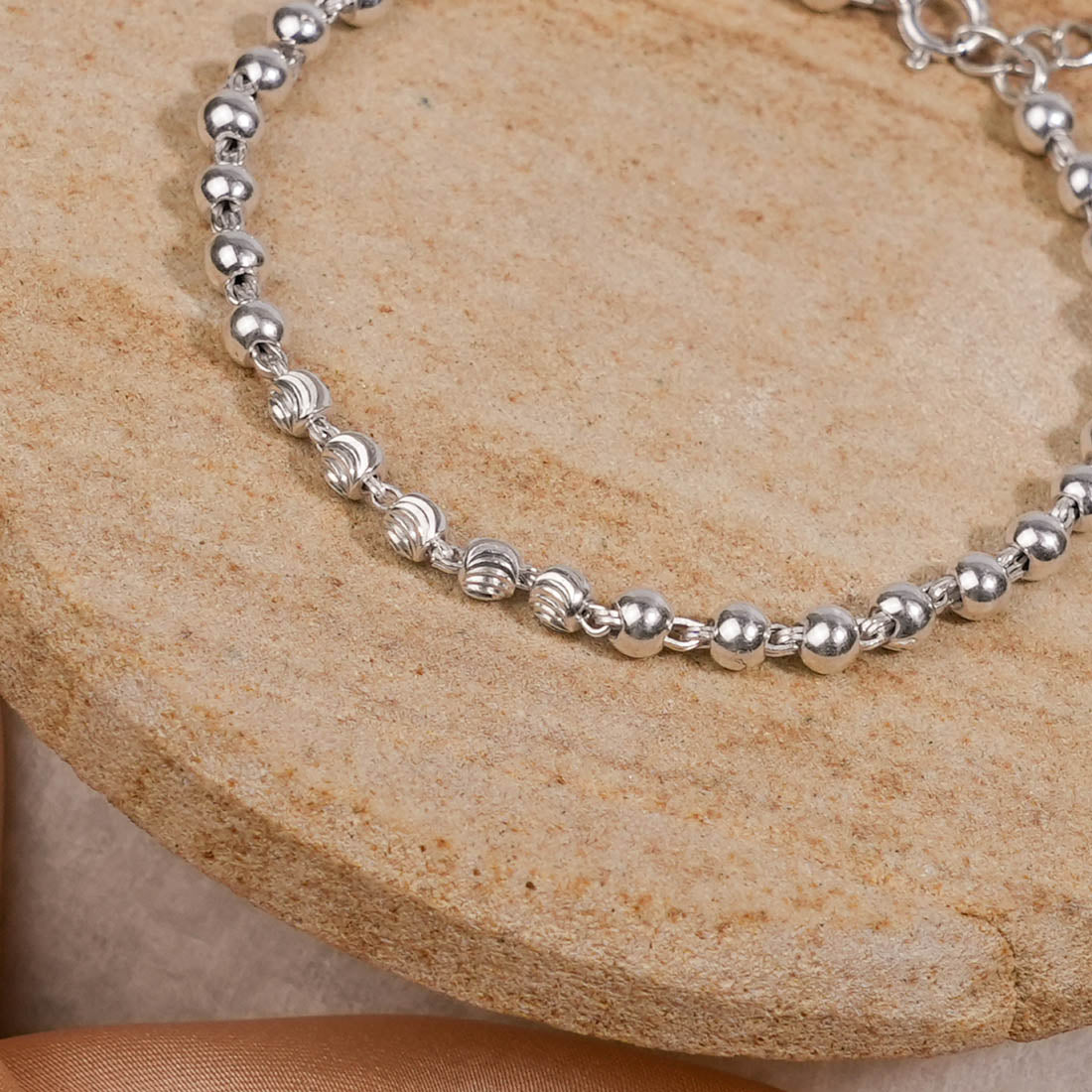
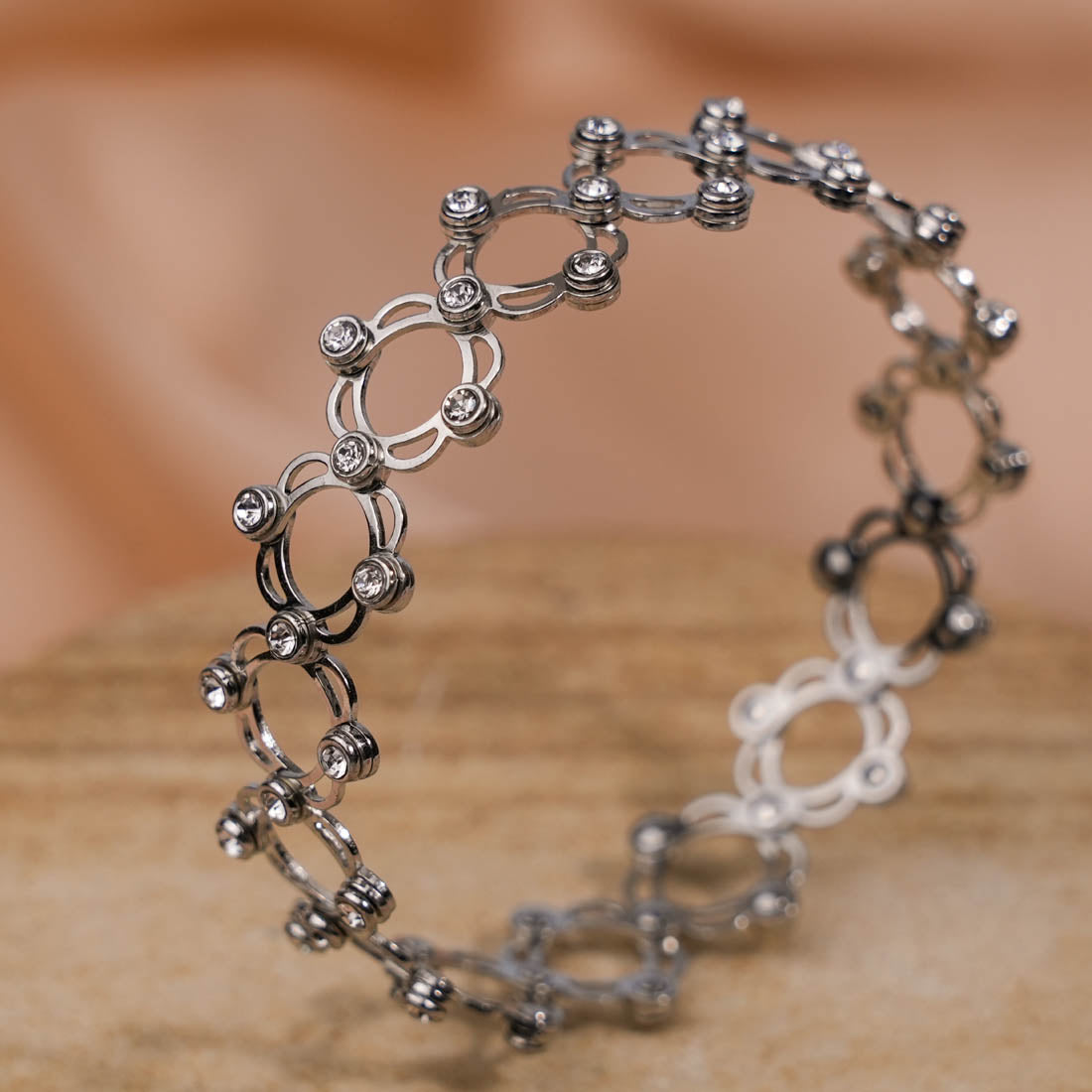
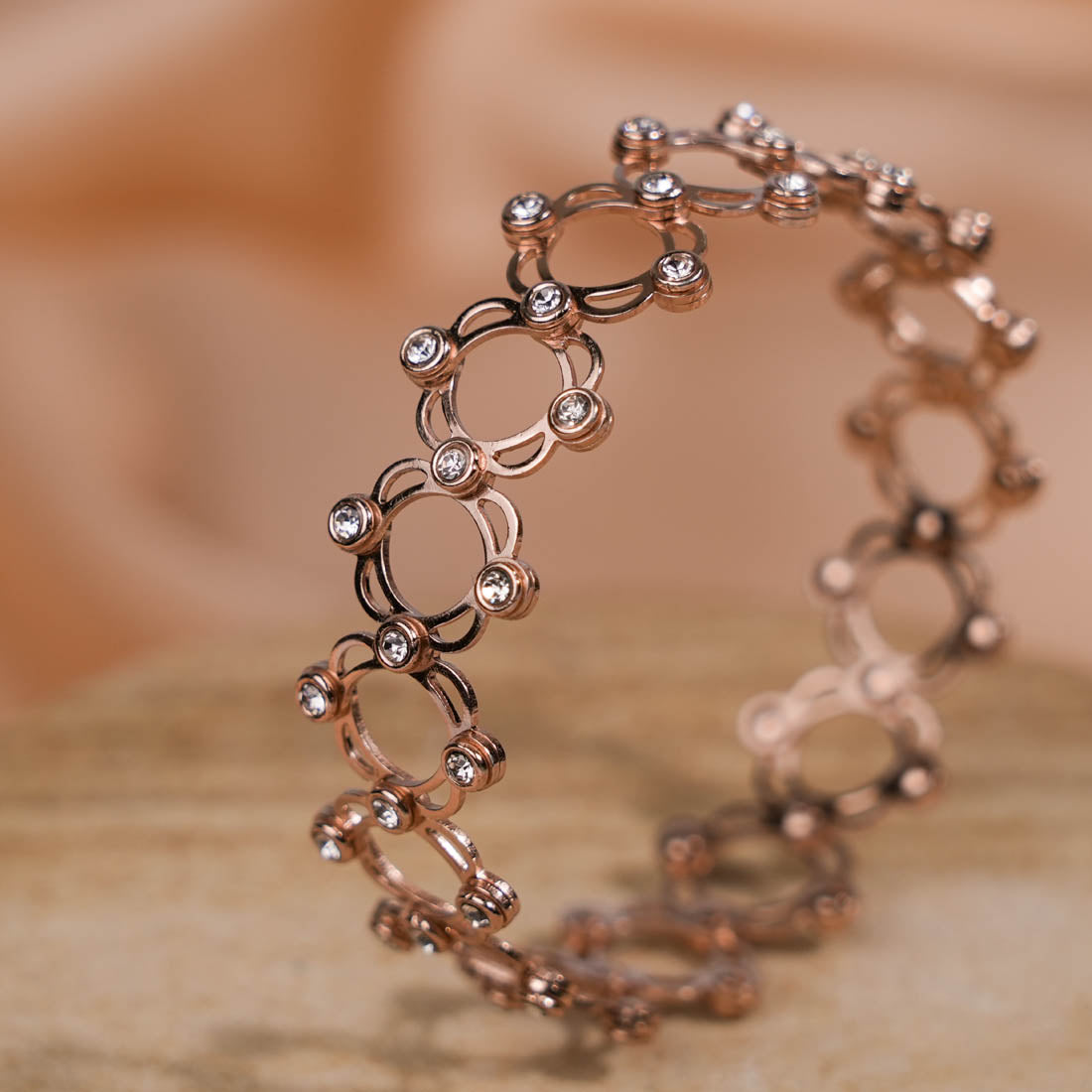
This is exactly where Prinjal comes in. Since Raksha Bandhan is all about protection, blessings, and a pure bond, gifting your sibling a piece of jewelry crafted in 92.5 silver or authentic rudraksha feels like a natural extension of the festival's spirit. At Prinjal, every piece is made with the same intention this festival carries purity, positivity, and protection. If you're looking for a gift that holds meaning beyond just the day, you can explore Prinjal's collection of silver and rudraksha jewelry, thoughtfully designed for moments exactly like this one.

