



Every year, as Shravan month arrives and devotees turn their attention to Lord Shiva, one question echoes across temples, family WhatsApp groups, and spiritual forums alike: is this really the best time to start wearing Rudraksha? If you've felt that quiet pull to begin a spiritual practice but weren't sure when or how, Shravan considered Shiva's most sacred month may be the answer Vedic astrology has been pointing you toward all along.
This guide breaks down what Vedic astrology actually says about Rudraksha in Shravan, separates mythology from modern science, and gives you practical, no-nonsense tips on choosing and maintaining an authentic mala.
What Makes Shravan Month Special for Rudraksha?
In the Hindu lunar calendar, Shravan (usually falling between July and August) is dedicated entirely to Lord Shiva. It's considered the most spiritually charged period of the year for anything connected to Shiva worship and Rudraksha, believed to have originated from Shiva's own tears, is central to that tradition.
The Mythological Connection

According to Puranic legend, Rudraksha beads formed from the tears Lord Shiva shed after a long period of meditation. Some versions say tears of compassion for the suffering of living beings, others say tears of joy upon opening his eyes after deep tapasya. The word itself comes from "Rudra" (a name for Shiva) and "Aksha" (eyes or tears).
Because Shravan is Shiva's month, wearing or beginning to wear Rudraksha during this period is considered especially auspicious in Vedic tradition; the energy of the bead and the energy of the month are believed to align.
Astrological Benefits of Wearing Rudraksha in Shravan
Vedic astrology assigns specific benefits to Rudraksha based on planetary influences (grahas). Here's what practitioners commonly attribute to wearing Rudraksha, particularly when started in Shravan:
- Planetary balancing - Different mukhi (face) counts of Rudraksha are linked to different planets. For example, a 1 Mukhi is associated with the Sun, a 5 Mukhi with Jupiter, and a 9 Mukhi with Ketu.
- Reduced malefic planetary effects - Vedic astrologers often recommend specific Rudraksha beads to ease the effects of doshas like Shani (Saturn) dosha or Kaal Sarp dosha.
- Enhanced mental clarity and focus - Believed to calm the mind and support meditation, particularly valuable during Shravan's fasting and prayer rituals.
- Protection and grounding - Considered to create a protective energy field around the wearer, shielding against negative influences.
-
Alignment with Shiva's energy - Since Shravan is Shiva's month, starting a Rudraksha practice now is thought to amplify devotional and spiritual benefits.
Astrologers generally recommend consulting a knowledgeable practitioner before selecting a mukhi type, since the "right" Rudraksha depends on your birth chart (kundli) and specific planetary placements.
Science and Rudraksha: What's Known Beyond Belief

While the astrological benefits are a matter of faith and tradition, Rudraksha beads have also drawn interest for their physical properties:
- Electromagnetic properties - Some studies note that Rudraksha beads have mild bio-electric and para-magnetic properties, which some researchers link to potential calming effects on the nervous system when worn close to the skin.
- Natural origin - Rudraksha is the dried seed of the Elaeocarpus ganitrus tree, primarily found in the Himalayan foothills, Nepal, and parts of Indonesia.
-
Psychological association - Regardless of the underlying mechanism, the ritual of wearing a mala is widely associated with reduced stress and greater mindfulness an effect well documented in general mindfulness research, even if not specific to Rudraksha itself.
It's worth noting that Rudraksha's spiritual significance and any physiological effects are two separate conversations, one rooted in faith, the other in ongoing scientific curiosity.
How to Choose an Authentic Rudraksha Mala
With Rudraksha demand spiking every Shravan, the market also sees a rise in synthetic and adulterated beads. Here's how to identify genuine ones:
Signs of Authenticity
- Natural texture - Genuine Rudraksha has a rough, uneven, naturally wrinkled surface not a smooth, machine-like finish.
- Weight and density - Authentic beads feel dense and slightly heavy for their size.
- Consistent mukhi lines - The natural lines (mukhis) running vertically should look organic, not artificially carved.
-
Source certification - Buying from a trusted, established source with lab certification or provenance details reduces the risk of counterfeit beads significantly.
Practical Buying Tips
- Buy from established, reputable jewellers rather than roadside vendors during the Shravan rush.
- Ask about the bead's origin (Nepal-origin Rudraksha is often considered premium).
-
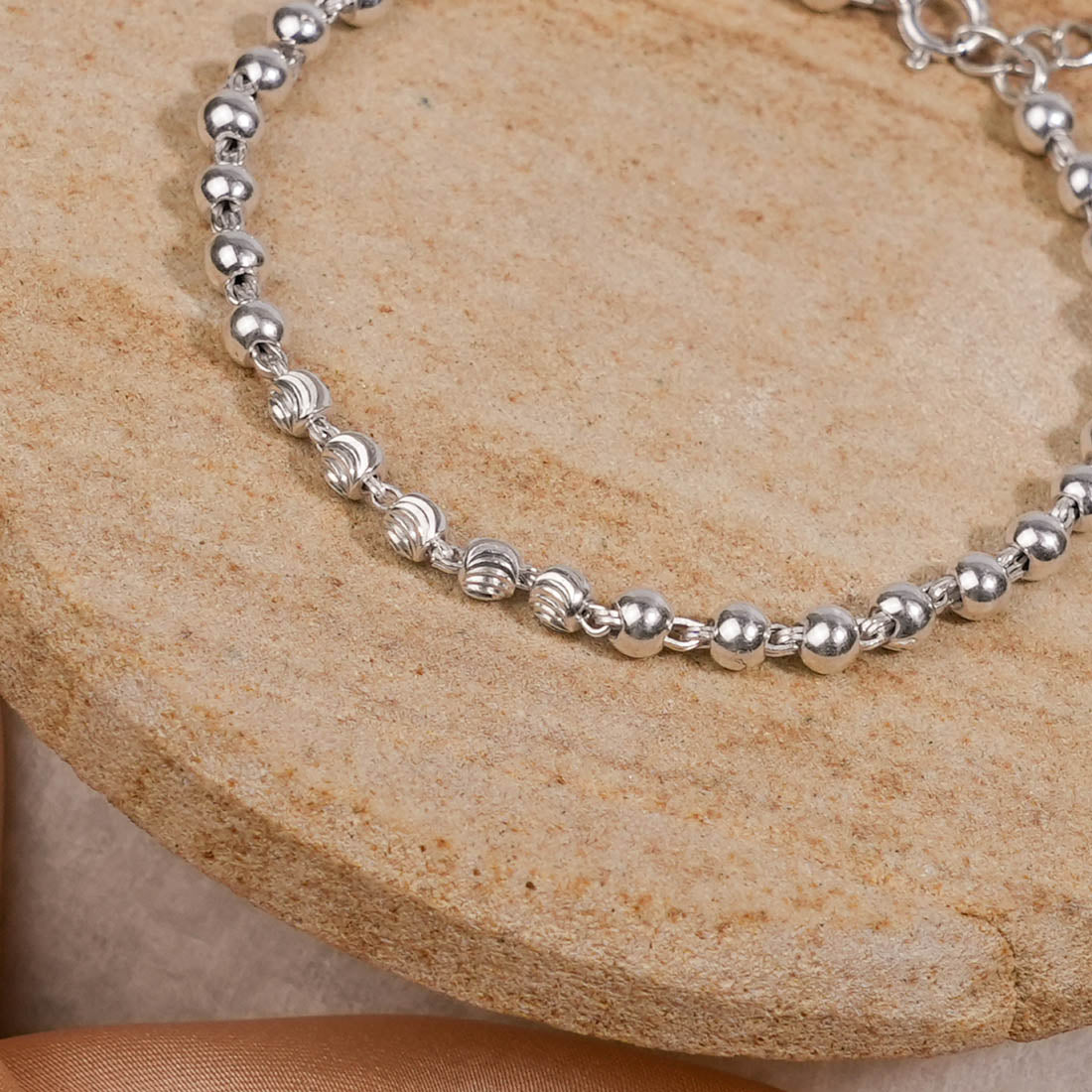
If you're new to Rudraksha, a well-crafted Rudraksha mala paired with sterling silver detailing offers both authenticity and everyday wearability Prinjal's Rudraksha mala collection, for instance, combines certified beads with fine silver craftsmanship for those who want tradition without compromising on design.
Maintenance Tips
- Avoid contact with soap, perfume, or chemicals clean with a soft, dry cloth only.
- Store in a dry place away from direct sunlight when not worn.
- Oil occasionally (sandalwood or a few drops of mustard oil) to preserve the bead's natural sheen, especially if strung in silver.
-
Re-energize periodically through prayer or by wearing it during significant days like Mondays in Shravan.
Silver and Rudraksha: A Complementary Pairing
 Sterling silver is often preferred over gold for stringing Rudraksha, since Vedic tradition associates silver with calming, lunar (Chandra) energy, a good complement to Rudraksha's Shiva-linked properties. It's also more skin-friendly for daily wear, which matters if you plan to wear your mala continuously through Shravan and beyond. Prinjal's sterling silver Rudraksha pieces are designed with exactly this pairing in mind traditional symbolism made wearable for modern routines.
Frequently Asked Questions
1. Is Shravan month really the best time to start wearing Rudraksha?
Yes, per Vedic tradition, Shravan is considered the most auspicious month to begin wearing Rudraksha because it is dedicated to Lord Shiva, whose energy Rudraksha is believed to embody.
2. How many mukhi Rudraksha should I wear?
It depends on your birth chart and the planetary influence you want to balance. A 5 Mukhi Rudraksha is the most commonly recommended for general well-being, but consulting an astrologer for a personalized choice is advisable.
3. Can Rudraksha be worn every day?
Yes, Rudraksha is generally safe for daily wear. However, it should be removed before activities involving heavy chemical exposure, such as bathing with strong soaps or swimming in chlorinated water.
4. Can women wear Rudraksha during Shravan?
Yes, traditional restrictions around women wearing Rudraksha have largely relaxed in contemporary practice, and many Vedic scholars affirm that Rudraksha can be worn by anyone seeking its spiritual and calming benefits.
5. How do I know if my Rudraksha is fake?
Check for a natural, textured surface, test if it sinks in water, and verify the source's authenticity certification smooth, artificially uniform beads are a common red flag.
Har Har Mahadev 🙏

