




Sharad Purnima 2026 falls on Sunday, 25 October 2026, marking the brightest full moon night of the Hindu calendar year. This full moon of the Ashwin month is believed to be the only night when the moon appears with all sixteen kalas (phases), making it deeply significant for prayer, fasting, and the well-known ritual of keeping kheer under the open sky. This guide covers the exact date, tithi timings, step-by-step puja vidhi, and vrat rules for Sharad Purnima 2026, so there is complete clarity before the night arrives.
What Is Sharad Purnima?

Sharad Purnima is the full moon day of the Ashwin month, arriving right after the monsoon ends and autumn (Sharad ritu) begins. It is also known by several regional names:
-
Kojagari Purnima – "Ko Jagarti" means "who is awake," referring to Goddess Lakshmi's night walk to bless those who stay awake.
-
Raas Purnima – celebrated in the Braj region as the night Lord Krishna performed Maha-Raas with the Gopis.
-
Navanna Purnima – marks the harvest, especially in eastern and southern India.
-
Kaumudi Purnima – "Kaumudi" refers to moonlight, since the festival centres on the moon's glow.
Sharad Purnima 2026 Date and Time
Sharad Purnima 2026 begins on the evening of 25 October 2026 (Sunday), with the full moon night observed through to the early hours of 26 October. Since this is a night-based festival, the moonrise time on 25 October matters more than the calendar date.
Purnima Tithi Timings
- Purnima Tithi Begins: around 11:54 AM on 25 October 2026
- Purnima Tithi Ends: around 9:40 AM on 26 October 2026
-
Moonrise on Sharad Purnima: around 4:54 PM (IST) on 25 October 2026
Which Date Should Be Followed?
Because the moon is present in the Purnima tithi during moonrise and through the night of 25 October, most panchangs and priests recommend observing the puja, vrat, and kheer ritual on the night of 25 October 2026. Some regional calendars list 26 October instead, since tithi and moonrise timings shift slightly by city. It is always best to confirm the exact local moonrise and tithi with a panchang specific to the city of observance.
Why Is Sharad Purnima Celebrated?
Sharad Purnima holds meaning across several Hindu traditions, and all of them centre around the moon's unique energy on this one night:
- The moon is believed to shower amrit (nectar) through its rays, making this night spiritually potent for healing and nourishment.
- Goddess Lakshmi is worshipped, especially in Bengal and Odisha, where the night is called Kojagari Lakshmi Puja.
- In the Braj region, it is remembered as the night of Krishna's Raas Leela with the Gopis of Vrindavan.
- Newly married women traditionally begin their yearly Purnima vrat from this day.
- It marks the transition from monsoon to autumn and, in many states, the start of the harvest season.
Sharad Purnima Puja Vidhi

Puja vidhi differs slightly by region, but the core steps remain largely the same across most traditions:
- Wake up early and bathe before sunrise, then set a sankalp (intention) for the day's vrat and puja.
- Clean the puja area and place idols or images of Lord Krishna, Goddess Lakshmi, or Lord Satyanarayan, depending on family tradition.
- Offer flowers, tulsi leaves, and a diya to the deity, along with fruits and sweets.
- Prepare kheer using cow's milk, rice, and sugar in the evening.
- Keep the kheer under open moonlight through the night, covered loosely with a thin cloth to keep out dust while still catching the moon's rays.
- Perform aarti after moonrise and recite the Sharad Purnima or Satyanarayan vrat katha with family.
- Stay awake through the night (jagran) with bhajans, especially in traditions following Kojagari Lakshmi Puja.
-
Consume the kheer the next morning as prasad, sharing it with family members.
Sharad Purnima Vrat Rules
Those observing the Sharad Purnima vrat generally follow these guidelines:
- Eat only fruits, milk, or a single sattvic meal during the day; grains and heavy food are usually avoided until the vrat is broken.
- Avoid onion, garlic, and non-vegetarian food through the day.
- Maintain silence or limit unnecessary talk during the puja hours to keep focus on prayer.
- Break the fast only after moonrise puja and after offering the kheer to the moon.
- Elderly individuals, pregnant women, and those with health conditions can modify the fast to a fruit-based or partial vrat instead of a strict waterless fast health should always come first.
Why Kheer Is Kept Under Moonlight

Kheer is placed under the open sky on Sharad Purnima because the moon's rays on this night are believed to carry amrit, which is thought to infuse the milk-based sweet with healing energy. The tradition also has a scientific angle: autumn nights are cool and dry, and milk-based dishes exposed briefly to clean night air were traditionally considered easier to digest the next morning. Many families use a silver or brass vessel rather than plastic, since silver is traditionally regarded as a pure, moon-aligned metal that does not react with food and helps preserve its taste overnight.
What to Wear on Sharad Purnima Night

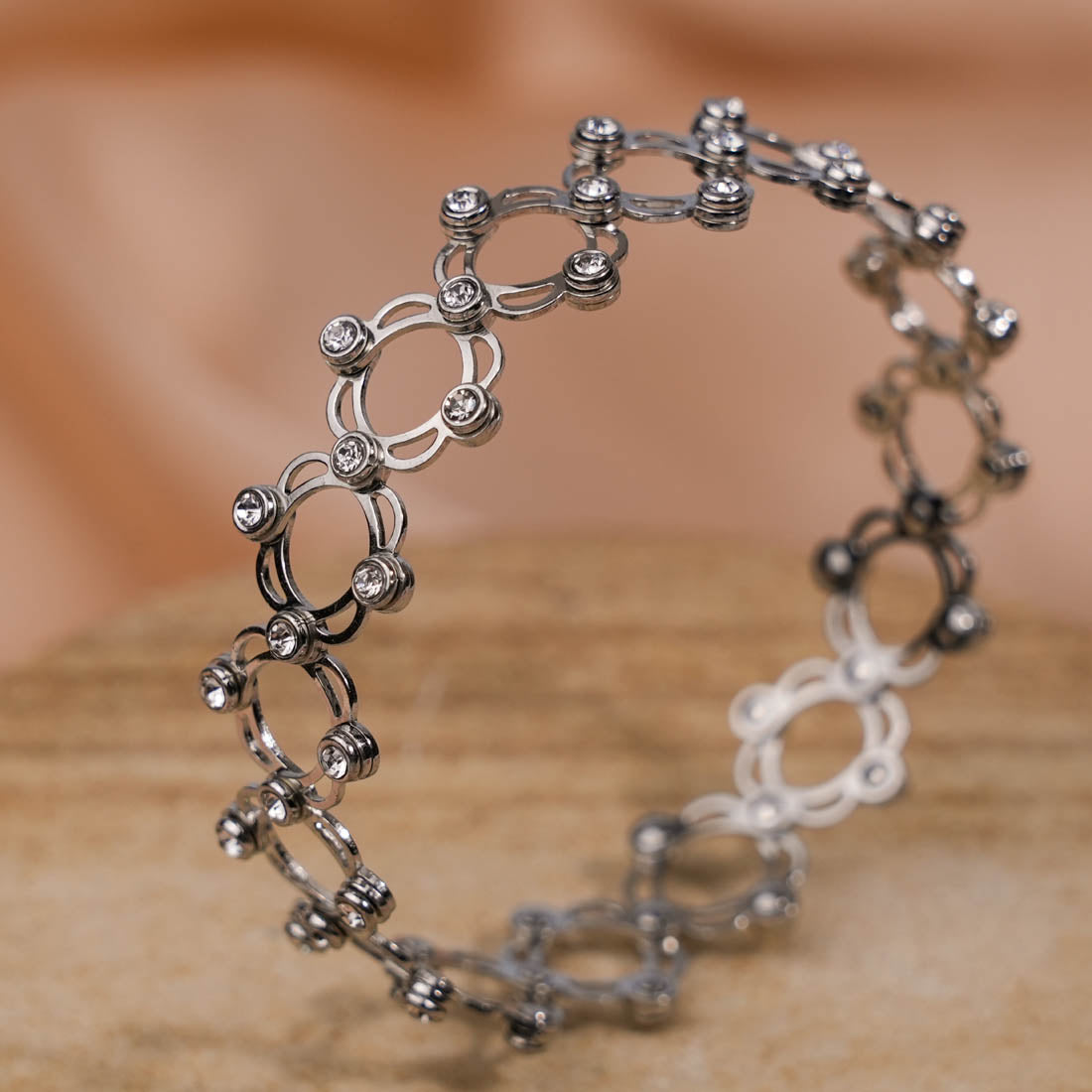
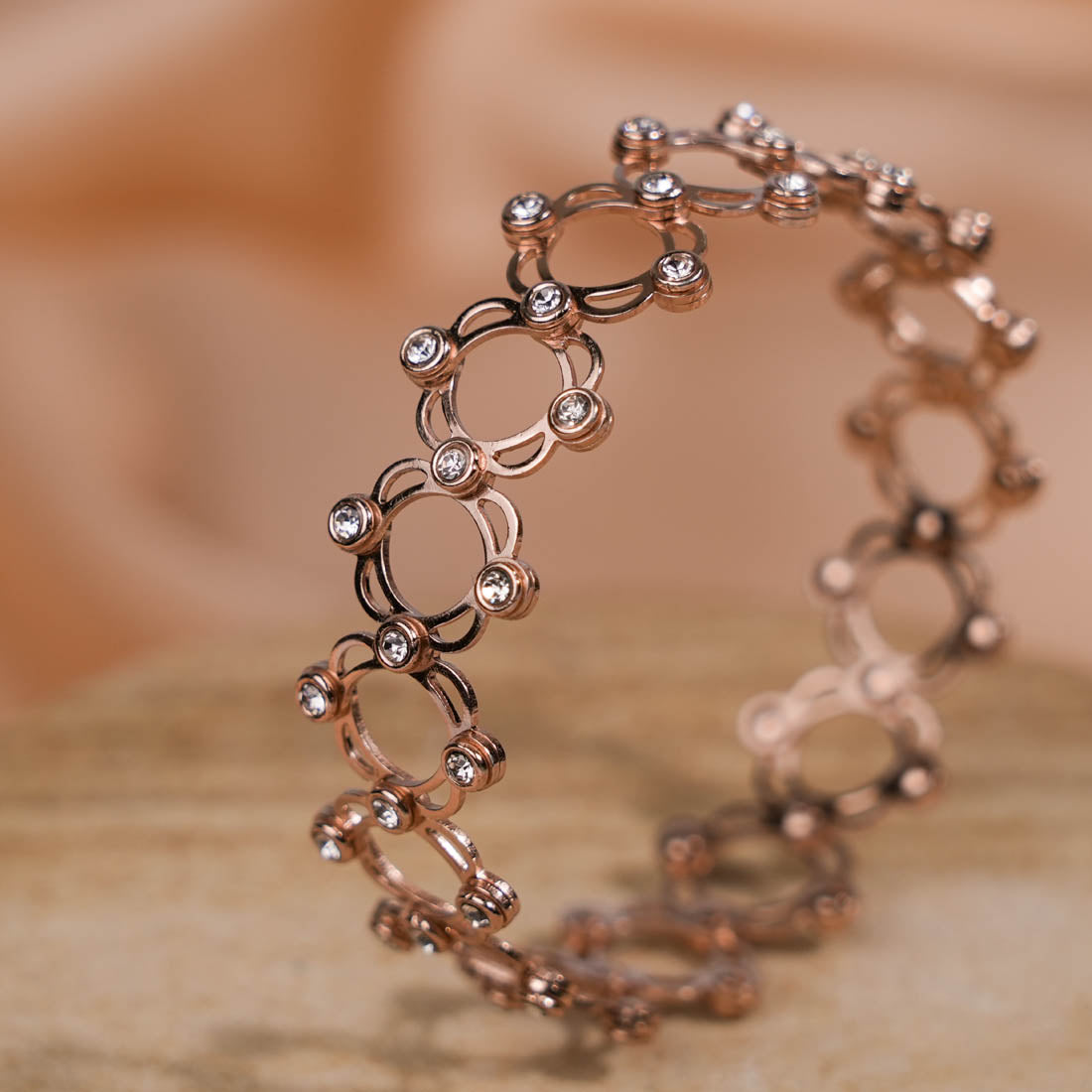
Because the moon is the central deity of this festival, wearing white or silver-toned attire and ornaments on Sharad Purnima night is considered auspicious in many households, as silver is associated with the calming, cooling energy of the moon in Vedic tradition. Brands like Prinjal design jewelry using certified 92.5 silver and genuine Rudraksha, which is one reason many people specifically look for a certified 92.5 silver moon pendant or a Rudraksha-based silver ornament when picking something to wear for moon-related festivals like this one, since purity and authenticity of the metal matter for anything worn during religious observances.
Sharad Purnima Rituals in Different Regions
- Bengal and Odisha: Kojagari Lakshmi Puja is performed with elaborate rituals through the night, and the day often coincides with the end of Durga Puja festivities.
- Braj (Mathura-Vrindavan): Raas Leela performances and Krishna temple celebrations continue through the night.
- Gujarat: Known as Sharad Poonam, the night is marked with garba and raas dance under the open moon.
-
South India: Celebrated as part of Navanna and harvest-related observances, with fresh rice offerings to deities.
Frequently Asked Questions
1. What is the exact date of Sharad Purnima in 2026?
Sharad Purnima 2026 falls on Sunday, 25 October 2026, with the Purnima tithi running from around 11:54 AM on 25 October to 9:40 AM on 26 October.
2. Why is kheer kept under the moonlight on Sharad Purnima?
Kheer is left under the open sky because the moon's rays on this night are believed to carry amrit (nectar), which is thought to infuse the kheer with healing and nourishing qualities.
3. Is Sharad Purnima the same as Kojagari Purnima?
Yes, Kojagari Purnima is another name for Sharad Purnima, used mainly in Bengal, Odisha, and parts of eastern India, where it centres on the worship of Goddess Lakshmi through the night.
4. Can pregnant women or elderly people observe the Sharad Purnima vrat?
Yes, but a strict waterless fast is not necessary. A fruit-based or partial vrat is a safer and commonly accepted alternative for pregnant women, elderly individuals, or anyone with a health condition.
5. What time should the puja be performed on Sharad Purnima 2026?
The puja is best performed after moonrise, which falls around 4:54 PM on 25 October 2026, followed by the kheer offering and an overnight jagran until the next morning.
Jai Shree Krishna 🙏

