



Confused about when Navratri 2026 actually starts, or worried you'll get the Kalash Sthapana muhurat wrong? You're not alone between conflicting panchang dates and half-remembered rituals from childhood, most people patch together their puja from memory and hope for the best. This guide lays out the correct Navratri Puja Vidhi 2026 step by step, so you can perform every ritual with confidence and clarity.
When is Navratri 2026?

Sharad Navratri the most widely celebrated of the four Navratris falls in the Hindu month of Ashwin, during the autumn season.
- Ghatasthapana / Kalash Sthapana: Sunday, 11 October 2026
- Durga Ashtami: Sunday, 18 October 2026
- Maha Navami: Monday, 19 October 2026
- Vijayadashami (Dussehra): Tuesday, 20 October 2026
Nine nights of worship are dedicated to the nine forms of Goddess Durga (Navadurga), each associated with a specific day, color, and mantra. Because the exact Kalash Sthapana muhurat depends on sunrise-tithi timing for your city, it's worth checking a local panchang for the precise morning window on 11 October.
Day-Wise Navratri 2026 Calendar
|
Day |
Date (2026) |
Devi Form Worshipped |
Significance |
Color of the Day |
|
Day 1 |
Sunday, 11 October |
Shailaputri |
Ghatasthapana / Kalash Sthapana performed |
Yellow |
|
Day 2 |
Monday, 12 October |
Brahmacharini |
Symbol of penance and devotion |
Green |
|
Day 3 |
Tuesday, 13 October |
Chandraghanta |
Represents courage and grace |
Grey |
|
Day 4 |
Wednesday, 14 October |
Kushmanda |
Believed to be the creator of the universe |
Orange |
|
Day 5 |
Thursday, 15 October |
Skandamata |
Lalita Panchami; worship of sacred texts and instruments begins |
White |
|
Day 6 |
Friday, 16 October |
Katyayani |
Saraswati Avahan (invocation) performed in the evening |
Red |
|
Day 7 |
Saturday, 17 October |
Kalaratri |
Saraswati Puja continues; fierce protective form of the Goddess |
Royal Blue |
|
Day 8 |
Sunday, 18 October |
Mahagauri |
Durga Ashtami; Kanya Puja and Sandhi Puja observed |
Pink |
|
Day 9 |
Monday, 19 October |
Siddhidatri |
Maha Navami; closing havans and final Kanya Puja |
Purple |
|
- |
Tuesday, 20 October |
- |
Vijayadashami (Dussehra) - victory of good over evil |
- |
Note: Colors and specific rituals may vary slightly by region and tradition; the sequence above follows the most widely observed calendar for Sharad Navratri 2026.
The Significance of Navratri
Navratri literally means "nine nights." Mythologically, it commemorates the battle between Goddess Durga and the demon Mahishasura, whose defeat on the tenth day (Vijayadashami) symbolizes the triumph of good over evil. Across the nine nights, the Goddess is worshipped in three broad forms Durga (power), Lakshmi (prosperity), and Saraswati (wisdom) making the festival as much about inner transformation as external celebration.
Kalash Sthapana: Step-by-Step Puja Vidhi

Kalash Sthapana (also called Ghatasthapana) is the ritual installation of a sacred pot that invokes the Goddess's presence for the nine days. Here's how it's traditionally performed:
- Clean the puja area and place a layer of soil in a wide earthen plate; sow barley or wheat seeds (this is the Jwara or Akhand Jyoti base).
- Take a copper, brass, or clay kalash (pot), fill it three-quarters with water, and add a few grains of rice, a coin, and a betel nut.
- Tie a red (sacred thread) around the neck of the kalash.
- Place mango or ashoka leaves around the rim, and top the kalash with a coconut wrapped in a red cloth.
- Position the kalash on the sown soil, facing north-east, and invoke the Goddess with a short Sankalp (intention).
- Light an akhand diya (continuous lamp) beside the kalash many households keep this burning for all nine days.
-
Offer flowers, incense, and a fruit to formally begin the nine-day worship.
Daily Puja Practice
- Light the diya morning and evening.
- Recite the day's Devi mantra (traditionally 108 times using a mala).
- Offer fresh flowers and a small prasad (fruit or sweet).
- Many devotees observe a partial or full fast, breaking it only with satvik (onion- and garlic-free) food.
Mantras for Navratri

- Universal Durga mantra: "Om Dum Durgayei Namaha" chanted for protection and strength.
- Gayatri Mantra for Durga: invoked especially on Ashtami and Navami for spiritual clarity.
-
Navarna Mantra: "Om Aim Hreem Kleem Chamundaye Vichche" considered one of the most powerful mantras in Devi worship, often chanted during Durga Saptashati recitation.
Chanting is traditionally done using a Rudraksha mala, believed to amplify the vibration of the mantra and steady the mind during repetition. This is one reason a well-strung, authentic Rudraksha mala is considered an essential not decorative puja tool.
Rudraksha and Silver in Navratri Worship: Why They Matter

The Significance of Rudraksha
Rudraksha beads, formed from the seeds of the Elaeocarpus ganitrus tree, have been used in Indian spiritual practice for centuries.
- Traditionally associated with Lord Shiva, Rudraksha is believed to aid focus and calm the nervous system during meditation and mantra chanting.
- Different bead counts ("mukhis") are associated with different intentions a 5-mukhi Rudraksha, for instance, is the most common and is worn for general wellbeing.
- Authentic Rudraksha has visible natural grooves (mukhis) running lengthwise and a slightly rough, organic surface uniform, glossy, machine-perfect beads are a red flag for synthetic or dyed substitutes.
- A genuine Rudraksha bead typically sinks in water and shows natural, irregular texture under a magnifying glass.
The Role of Silver
Silver has a long-standing place in Hindu ritual, from kalash vessels to jewelry worn during festivals.
- Silver is traditionally considered a "cooling," Moon-associated metal, often worn during Navratri for its believed calming and grounding properties.
- Sterling silver (92.5% pure) is the standard for jewelry meant for daily or ritual wear, as pure silver alone is too soft to hold shape.
- Look for a 92.5 hallmark stamp when buying sterling silver it's the simplest way to confirm authenticity.
- Well-maintained sterling silver can last generations; a soft polishing cloth and dry storage away from humidity prevent the natural tarnish that silver develops over time.
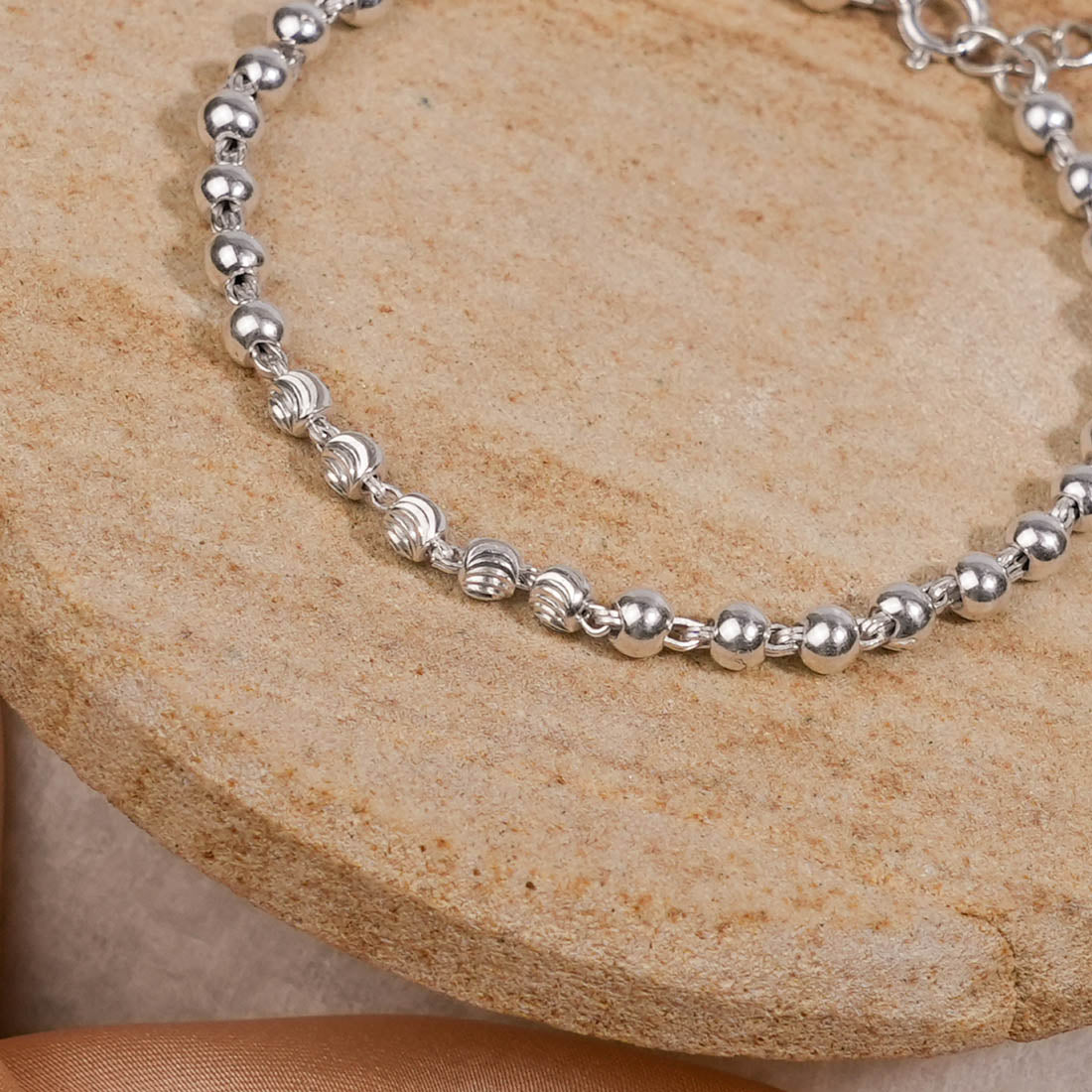
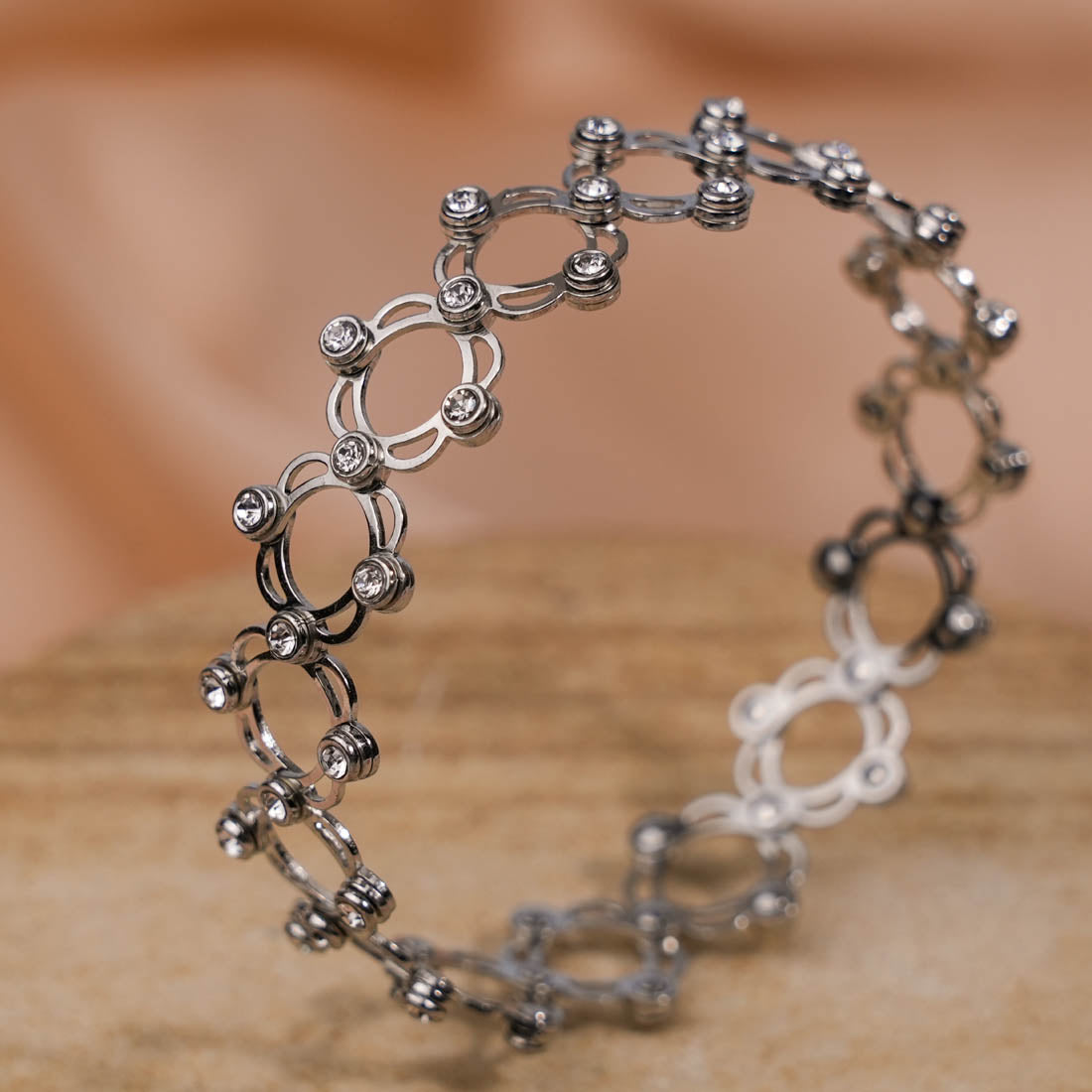
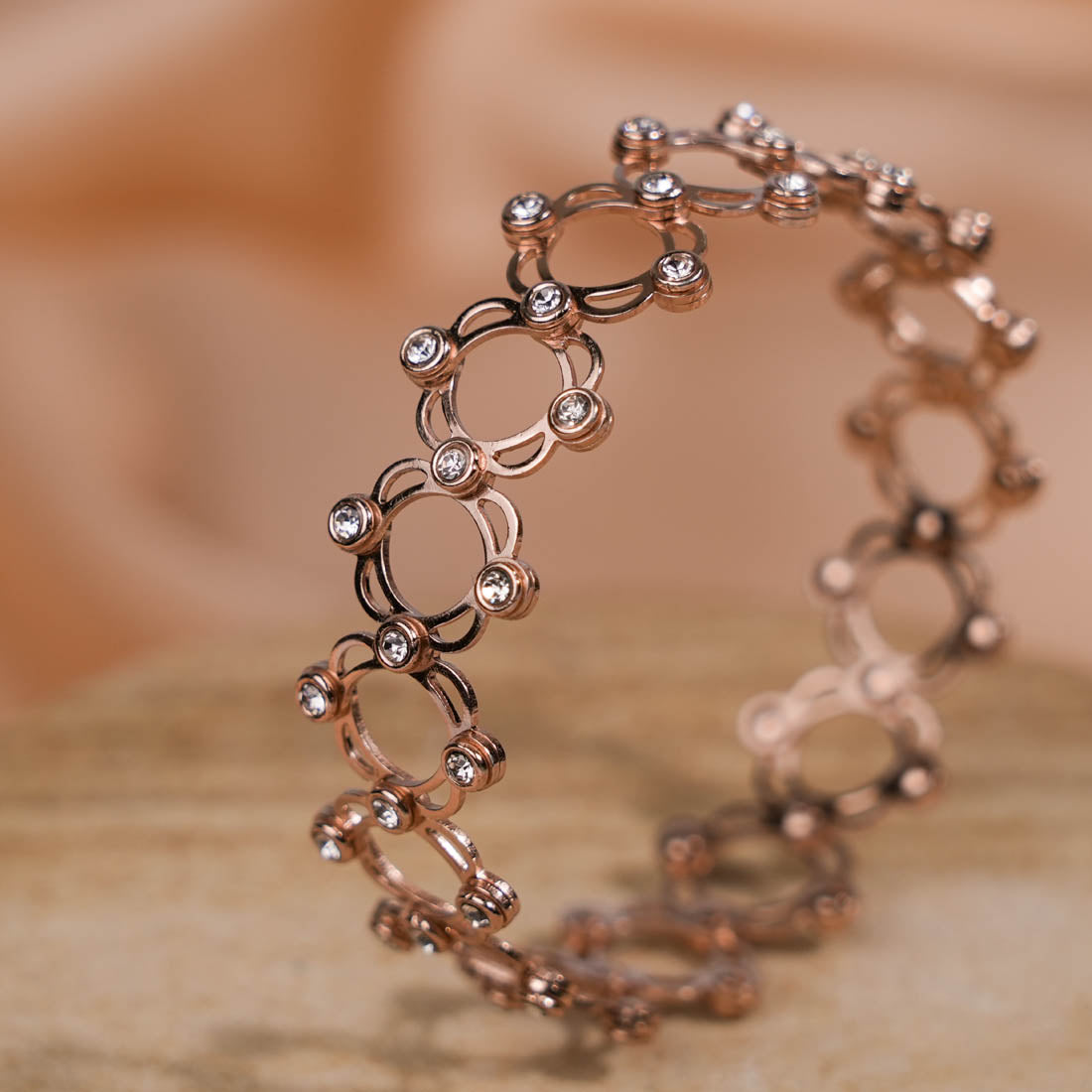
If you're building or refreshing your Navratri puja essentials, Prinjal's Rudraksha malas are strung with authentic, sourced beads suited for daily mantra practice, and the sterling silver jewelry collection offers 92.5-hallmarked pieces designed for both festive wear and everyday use.
Practical Tips for Navratri Preparation
- Buy Rudraksha malas from sellers who disclose bead origin and mukhi count - authenticity certificates are a good sign, though not always available for smaller malas.
- Keep an extra kalash and diya oil on hand - running out mid-ritual is a common last-minute scramble.
- Plan your fasting menu in advance (buckwheat flour, rock salt, sabudana, fruits) to avoid unhealthy last-minute substitutions.
- Store silver jewelry in an airtight pouch between wears to slow tarnishing, especially during humid October weather.
-
Set a daily mantra count goal (e.g., one full mala of 108 repetitions) rather than an open-ended intention it's easier to sustain for nine days.
Frequently Asked Questions
1. What is the correct date for Kalash Sthapana in 2026?
Kalash Sthapana for Sharad Navratri 2026 falls on Sunday, 11 October 2026, the first day of the nine-day festival.
2. Can Kalash Sthapana be done in the afternoon if I miss the morning muhurat?
Traditionally, Kalash Sthapana is performed during a specific morning muhurat based on sunrise-tithi timing. If this window is missed, many priests recommend the Abhijit Muhurat (a short auspicious window around midday) as an alternative; check a local panchang for exact timings in your city.
3. Why is Rudraksha specifically recommended for mantra chanting?
Rudraksha is traditionally believed to help steady focus and calm the mind during repetitive chanting (japa), which is why malas made from it are the conventional choice for mantra practice, including during Navratri.
4. Is it necessary to wear silver during Navratri?
It's not mandatory, but silver is traditionally worn during Navratri for its association with purity and the Moon, and many households treat festival jewelry as part of the ritual dressing for each day's color.
5. How do I know if my Rudraksha bead is authentic?
Genuine Rudraksha typically sinks in water, shows natural irregular grooves (mukhis) rather than a machine-perfect surface, and has a slightly rough, organic texture rather than a uniform glossy finish.
Jay Mataji! 🙏

